
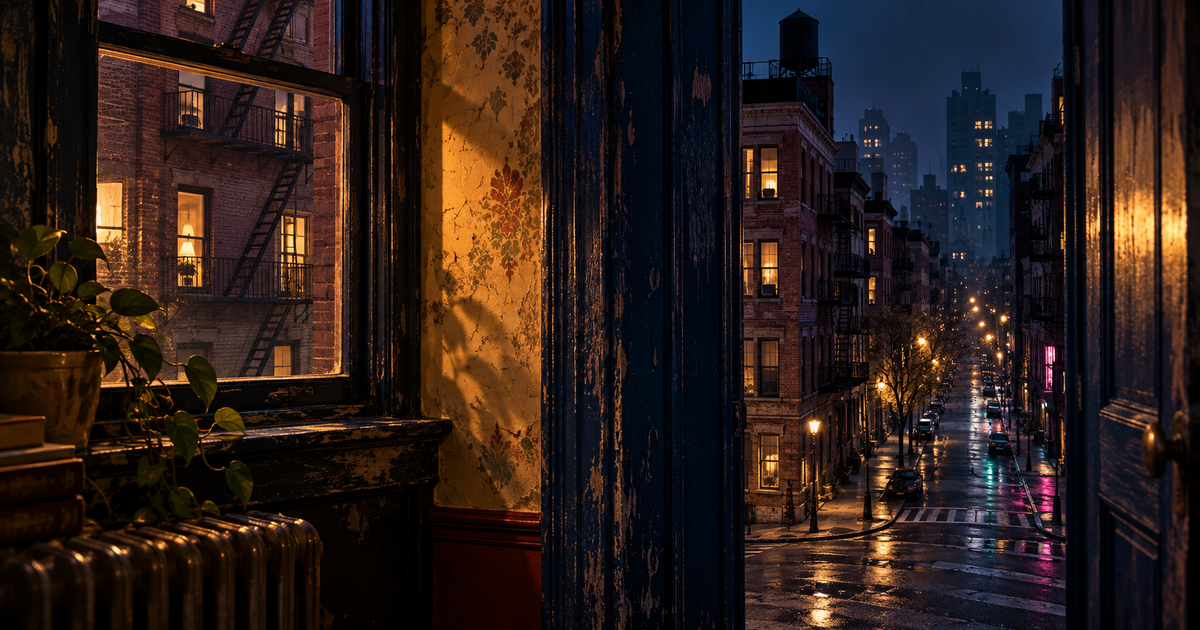
The Only Living Pickpocket in New York looks better suited to viewers seeking city atmosphere and a character study than frequent heist action. That expectation comes from Chris Mello's October 22 review: he describes limited action, little onscreen violence and a strong emphasis on New York locations. He also finds the character familiar and the nostalgia shallow. Those reservations matter as much as his praise for the photography and cast. [2]
Three expectations to set
Action: Mello says Noah Segan establishes the lead's pickpocketing skill early, then concentrates on character. He describes an easygoing film even as its deadline approaches. If repeated demonstrations of criminal technique or sustained physical confrontation are your main attraction, his account gives reason to look elsewhere. This is one critic's assessment, rather than a rating or a survey of viewers. [2]
Place: Mello identifies the outer boroughs and Chinatown among the locations and sees the city as central to the film's appeal. He praises warm, textured digital photography that approximates a filmic look. The story remains present-day; the old-fashioned appearance should not lead you to expect a period setting. [2]
Character: Mello credits John Turturro with much of the film's appeal, while finding the protagonist uncomplicated and the backstory familiar. Interest in the actor and the locations may therefore be a stronger reason to choose it than a desire for an unusual character or an original treatment of nostalgia. [2]
The lenses have visible trade-offs
Sarah Shachat's October 26 IndieWire feature helps explain the intended look. Cinematographer Sam Levy says the production used vintage Super Baltar lenses for most of the film. He describes vignetting and flare, difficult control and unattractive softness with the iris wide open. Camera tests with Turturro helped him find an approach he liked. These details describe a considered choice with limitations, without making vintage equipment a guarantee of good images. [1]
Levy also describes taking risks with underexposure and silhouette. For a prospective viewer, that suggests attention to shadow and partially obscured forms alongside the locations themselves. Mello's praise for the warm photography provides a separate critical response to the result. The maker's explanation and the critic's response answer different questions: how an effect was pursued, and how one reviewer received it. [1][2]
A lived-in apartment was deliberately built
Production designer Rocío Giménez tells Shachat that the apartment needed accumulated history in its objects and layers of paint, with a warm, almost glowing appearance. Her team extensively changed the actual location, reworking the kitchen, adding wallpaper, repainting and building walls to make the space smaller. The impression of a home that had never been remodeled depended on substantial production work. [1]
Levy describes spending time in the apartment to understand its existing character and light. Read alongside Giménez's account, this shows observation and alteration working together. The room's appearance was neither an untouched location nor simply a consequence of the lenses. It gives viewers interested in domestic spaces a specific part of the design to notice. [1]
Atmosphere does not settle the story's strengths
Mello finds the nostalgic mood enjoyable, but regards the film as disposable and shallow. His reservations concern familiar characterization and a theme that does not develop far beyond affection for New York and Turturro. Admiring the effort behind a textured room or a dark frame does not resolve that criticism. A viewer can value those images and still want more from the story. [2]
One observation for a future viewing
If you choose the film, try a simple comparison during a future viewing: note one exterior and one interior, then ask what their light and texture add to your understanding of the central character. Use Levy's interest in silhouette and Giménez's layered apartment as prompts, rather than a checklist of achievements. Decide whether those choices deepen your interest or mainly sustain a pleasing mood. That distinction helps you test your own response to Mello's reservation about shallow nostalgia, without assuming you will share his verdict. [1][2]
Sources
- How ‘The Only Living Pickpocket in New York’ Used Vintage ‘Godfather’ Lenses to Capture NYC on LocationIndieWire, Published · Updated
- The Only Living Pickpocket in New York — Noah Segan [Review]In Review Online, Published · Updated